Discover the Research Behind TeamUp DreamUp

Tony Vance
November 2025
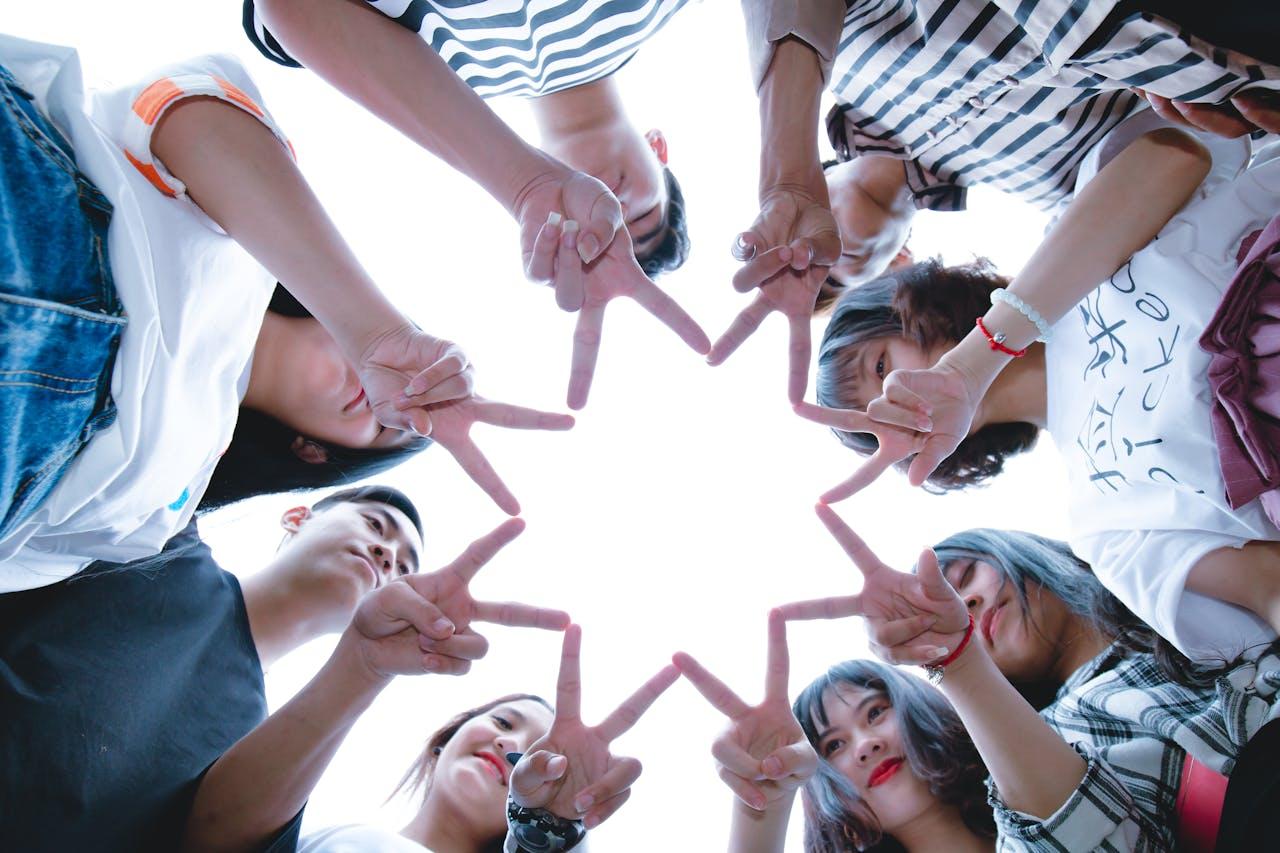
The foundation of TeamUp DreamUp lies in one simple idea: human chemistry drives performance. Across decades of research — from Harvard and MIT to Carnegie Mellon and Google’s Project Aristotle — a pattern emerges. When people trust one another, communicate openly, and share purpose, their collective potential eclipses what any individual could achieve alone. Our platform translates that science into practice, helping organizations form teams that are not just skilled, but truly synchronized.
At the core of this research is trust. Teams that operate on trust move faster, decide smarter, and adapt better. Harvard studies show that high-trust organizations report significantly lower stress and higher productivity, while neuroscientists like Paul Zak have demonstrated that trust actually changes the brain’s chemistry — fueling motivation, empathy, and engagement. At TeamUp, we embed these insights into every stage of our process, from team-matching algorithms to our optional verification and background systems that help trust form early and naturally.
Another key insight comes from Google’s Project Aristotle, which revealed that psychological safety — the belief that you can speak up without fear — is the single strongest predictor of team success. When people feel heard, ideas multiply. Teams that foster open dialogue recover faster from mistakes and collaborate with greater creativity. Our virtual interviews and team coaching programs are designed to surface that safety early, giving teams the environment they need to flourish.
Equally powerful is the role of shared purpose. When teams align around a common mission, performance can rise by nearly 30%. It’s not just about having a goal — it’s about believing in it together. That shared “why” creates the kind of flow and energy that sustains teams through uncertainty and change. Through our AI-assisted profiling tools, TeamUp helps teams articulate their purpose and translate it into language that resonates with employers who share their vision.
Finally, the studies from MIT’s Human Dynamics Lab and Carnegie Mellon have shown that balanced communication and empathy often outperform raw intelligence. Teams where everyone has a voice consistently achieve more innovative results. This balance — what researchers call “collective intelligence” — is the foundation of our matching system. We don’t just look at résumés; we analyze interaction patterns, diversity of thinking styles, and evidence of collaboration that make a team more than the sum of its parts.
All of this research leads to one clear truth: familiarity and chemistry can’t be faked. Familiar teams reach peak performance nearly twice as fast as newly formed ones, and top performers maintain their momentum only when working with those they already trust. TeamUp DreamUp takes that reality and turns it into opportunity — creating a marketplace where teams can be seen, understood, and hired for who they are together.
— We didn’t invent teamwork. We made it visible.